
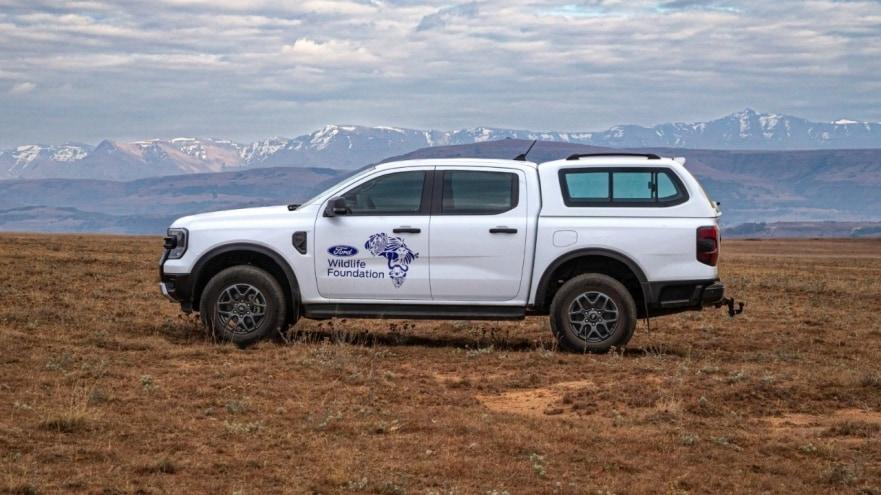
Ford Wildlife Foundation marks over 30 years supporting conservation efforts across Southern Africa, strengthening biodiversity protection, research initiatives, and environmental education in remote and vulnerable ecosystems.
For more than three decades, the Ford Wildlife Foundation has played a consistent role in supporting conservation efforts across Southern Africa, helping protect some of the region’s most valuable natural assets.
At the centre of this work is a practical approach, equipping conservation teams with locally built Ford Rangers to support operations in some of the most remote and demanding environments. These vehicles enable access to difficult terrain, allowing researchers, conservationists and environmental educators to carry out critical work on the ground.
The Foundation’s impact extends beyond logistics. Its support has contributed to safeguarding ecosystems, advancing biodiversity research and strengthening environmental awareness within communities that live closest to these natural environments.
Tarryn Knight, Head of Marketing at Ford Motor Company South Africa, reflected on the milestone:
“We marked more than 30 years of enabling the protection and preservation of South Africa’s fauna and flora for generations to come.”
She added:
“The Foundation provides locally built Ford Rangers to conservation, research and environmental education initiatives across Southern Africa, supporting teams working in some of the most remote and demanding environments.”
Over time, the initiative has become an important example of how corporate capability can be aligned with long-term environmental impact, not through once-off interventions, but through sustained, practical support.
The Foundation’s continued investment highlights the role of partnerships in conservation, where collaboration between private sector, researchers and communities drives measurable outcomes for biodiversity protection.
As environmental pressures increase, the need for consistent, long-term support becomes even more critical, making the Ford Wildlife Foundation’s three-decade contribution both relevant and necessary in today’s context.
