
Colder temperatures and rainy days have started knocking on South Africa’s door, and households are finding ways to stay warm. From heaters and electric blankets to fireplaces becoming the heart of the home, cooler weather quietly increases the risk of fires and burns. Yet it is in these everyday moments that the danger lies, often escalating far faster than most people realise.
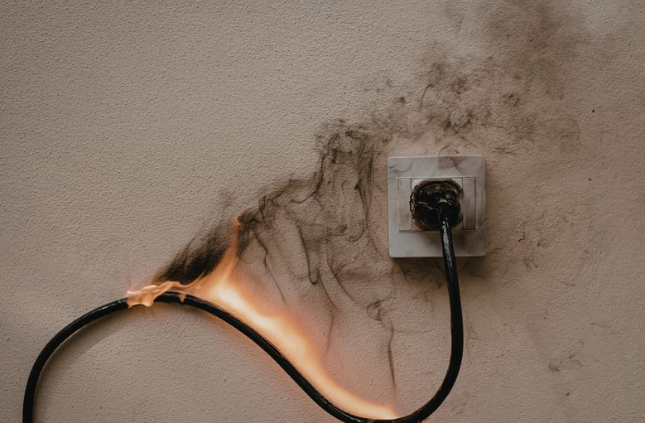
Most fire-related incidents do not start with dramatic flames. They begin with everyday moments. A heater placed too close to a curtain. A pot of boiling water within reach of a child. A gas heater used in a closed room. Or an overloaded socket or faulty electrical connection.
Winter conditions often amplify the risk, as people use multiple heat sources and are more likely to improvise to stay warm. Each of these small decisions increases the likelihood of a fire or burn incident.
However, even with the best precautions, accidents can and do happen.
When they do, what happens in the first few minutes matters.
One of the most common mistakes is applying home remedies to burns. Substances such as butter, toothpaste, or oils can worsen the injury and delay proper treatment, and should never be used. Ice placed directly on a burn can also cause further damage.
The correct response is simple but critical. Cool the burn under clean, cool running water for 10 to 20 minutes. Where possible, remove any tight items such as rings or clothing near the affected area. Cover the burn loosely with a clean cloth or dressing. Most importantly, seek medical advice if there is any uncertainty about the severity.
In these moments, people often hesitate. They are unsure whether the injury is serious enough to warrant further care or what the next step should be.
This is where immediate access to professional medical guidance becomes essential.
CrisisOnCall provides real-time access to qualified medical support, helping individuals make informed decisions quickly. In situations where seconds matter, having the right advice at the right time can prevent complications and support better outcomes.
“As we see time and again, it is not always the severity of the incident that causes complications, but the response in those first few minutes,” says Ruan Vermaak, communication manager at CrisisOnCall. “People panic or fall back on what they have always heard. Having access to the right medical advice immediately can make all the difference in preventing further harm.”
In those moments, uncertainty can lead to the wrong action. Knowing what to do, and just as importantly, what not to do, can prevent a manageable situation from becoming something more serious.
Colder weather brings added risk and requires greater awareness. When it comes to fires and burns, the difference between calm and crisis is often measured in moments.
More information about CrisisOnCall services is available at:
https://www.crisisoncall.co.za
