South Africa is calling for stronger international financing, technology transfer and practical conservation support to ensure that global biodiversity commitments deliver measurable environmental and economic benefits, particularly for developing countries and communities whose livelihoods depend on healthy ecosystems.
The call follows the adoption of the Yerevan Pathway for Accelerated Implementation at the 17th Conference of the Parties to the Convention on Biological Diversity (CBD COP17), held in Yerevan, Armenia, from 19 to 30 October 2026.
The agreement represents an important step towards accelerating implementation of the Kunming-Montreal Global Biodiversity Framework, which aims to halt and reverse biodiversity loss by 2030.
However, the conference’s first global review revealed that fewer than half of the national biodiversity targets assessed are on track to be achieved by the end of the decade, raising concerns about whether governments have sufficient financial resources, technical capacity and implementation mechanisms to meet their commitments.
For South Africa, the challenge extends beyond protecting wildlife and natural habitats. Biodiversity conservation is also connected to sustainable livelihoods, economic development, environmental resilience and the ability of developing countries to benefit fairly from their natural resources.
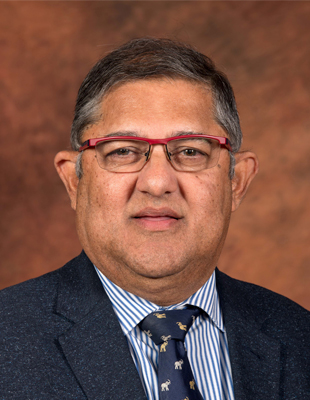
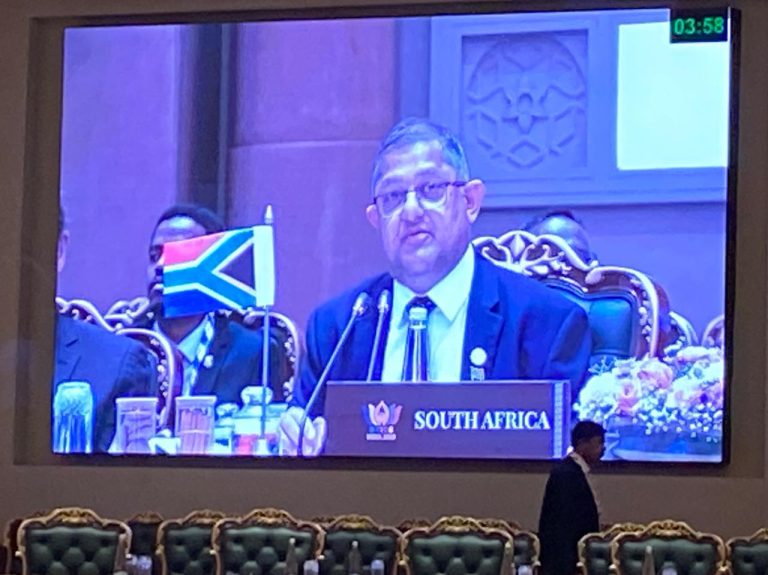
Deputy Minister of Forestry, Fisheries and the Environment Narend Singh, who led South Africa’s delegation, emphasised that the next four years will be critical in translating international agreements into tangible conservation outcomes.
“The first global review has provided a sobering assessment of where we stand. We have made important strides towards protecting and restoring biodiversity, but our collective progress, including the mobilisation of financial resources, is not keeping pace with the scale of the challenge. The remaining four years to 2030 demand decisive action, stronger international cooperation and the resources to deliver on our commitments,” said Singh.
Access to biodiversity finance emerged as one of the conference’s most significant negotiating issues, with South Africa advocating for adequate, predictable and accessible funding to help developing countries implement conservation and restoration programmes.
The negotiations built on decisions reached at COP16 in Colombia and its resumed session in Rome in 2025.
During high-level consultations with the COP17 Presidency, South Africa argued that proposals to broaden the number of contributors to international biodiversity finance should be carefully assessed before implementation.
The country maintained that expanding the contributor base would not necessarily generate additional funding and should not weaken the existing obligations of developed countries under Article 20 of the Convention on Biological Diversity.
South Africa successfully advocated for an intersessional process involving a study and detailed analysis of the historical, legal and practical implications of broadening the contributor base.
The findings will be submitted to the Subsidiary Body on Implementation ahead of COP18 to inform future decisions.
Alongside other developing countries, South Africa also supported retaining the four criteria agreed at COP16 to guide the further development of the proposed financial mechanism.
“South Africa appreciates that the outcomes reflect important elements of the position we advanced. Expanding the contributor base must not dilute the obligations of developed countries or divert attention from the urgent need to mobilise additional resources. The agreed process provides an opportunity for informed consideration of these issues while safeguarding the interests of developing countries,” said Singh.
The adoption of the Yerevan Pathway creates an opportunity to strengthen national biodiversity strategies, improve accountability, mobilise resources and encourage closer cooperation between governments, scientific institutions and other stakeholders.
The Pathway is intended to accelerate progress towards the Global Biodiversity Framework’s 23 targets for 2030 and four long-term goals for 2050.
South Africa emphasised that implementation must be supported by predictable financing, technology transfer, capacity-building and stronger scientific and technical cooperation.
These measures are particularly important for developing countries seeking to strengthen conservation programmes while balancing environmental protection with sustainable economic development.
“Ambition without implementation support is not credible. The Yerevan Pathway provides an opportunity to correct course, but its success will depend on whether countries have the resources and capacity to translate commitments into tangible results that benefit biodiversity and people,” said Singh.
South Africa also advanced the interests of biodiversity-rich developing countries through its participation in the Group of Like-minded Megadiverse Countries.
A key priority was fair and equitable benefit-sharing from the use of digital sequence information on genetic resources, including through the Cali Fund.
The issue reflects the importance of ensuring that countries with significant biological resources can participate fairly in the benefits associated with their use.
South Africa further called for science-based decision-making in marine and coastal biodiversity conservation, sustainable wildlife management and greater coordination between biodiversity protection, climate change responses and efforts to address land degradation.
While international financing and conservation policy dominated negotiations, South African learners also demonstrated the importance of youth participation in shaping the future of environmental protection.
Five learners from Sharpeville, Gauteng, performed biodiversity-themed poetry during UNESCO’s Education Day at COP17, bringing a South African youth perspective to the international gathering.
The learners had previously presented their message during South Africa’s global flagship celebration of the International Day for Biological Diversity on 22 May 2026.
Their participation in Yerevan highlighted the role of environmental education and youth advocacy in building awareness of biodiversity conservation and sustainable development.
South African learners also participated as young biodiversity ambassadors, presenting a cultural performance during the conference’s fourth plenary session.
The country’s involvement in international biodiversity governance was further strengthened through the election of Malepo Phoshoko to the Bureau of the Conference of the Parties.
South Africa will now seek to advance the conference outcomes through its National Biodiversity Strategy and Action Plan for 2026–2035.
The strategy is intended to strengthen biodiversity governance and support conservation approaches that contribute to sustainable livelihoods and economic development.
The outcomes of COP17 highlight an important challenge for global environmental cooperation: ensuring that international agreements are accompanied by the funding, knowledge, technology and institutional capacity needed to deliver results.
For South Africa, the priority is to translate those commitments into conservation action that protects natural ecosystems while supporting the people and communities who depend on them.